For decades, online search has worked the same way: users enter a few keywords, scan through results, and decide which websites to trust. But AI-powered search is changing this behavior. Instead of searching with fragmented keywords, people are increasingly asking complete questions and expecting direct, contextual answers.
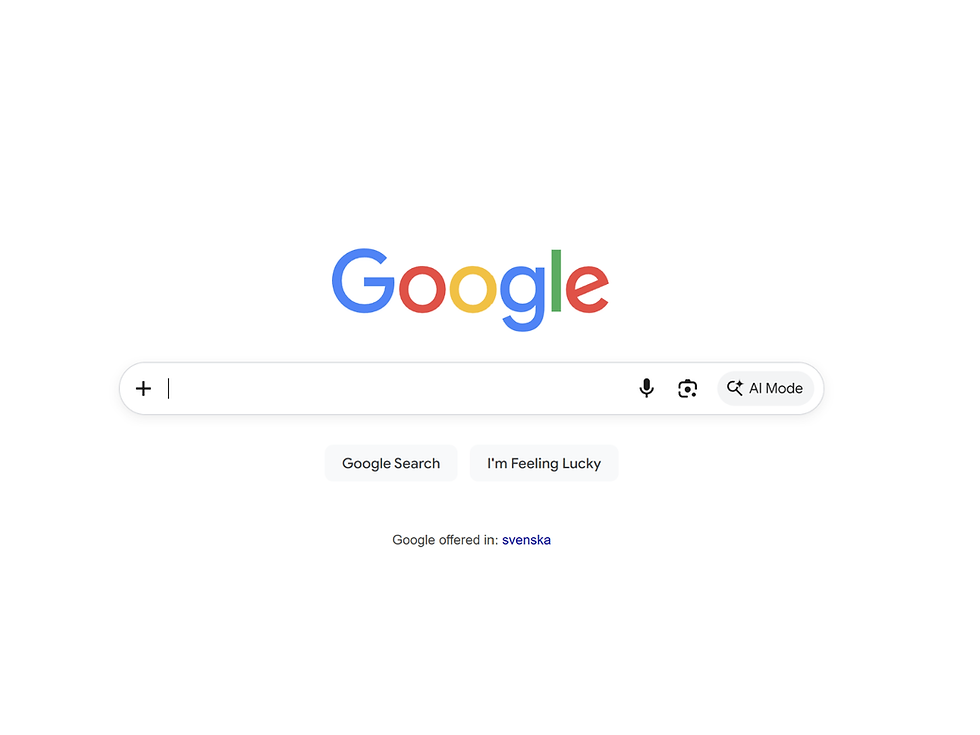
How LLMs changed search
In late 2022, the widespread adoption of large language models (LLMs) such as ChatGPT marked a turning point in how we use the internet and how we search. Unlike traditional search experiences, which were primarily built around ranking and displaying web pages, LLMs can understand natural language, interpret context, and generate human-like responses to complex questions.
As millions of people became accustomed to interacting with AI assistants, they also began changing how they searched for information. Instead of thinking about which keywords to type, users started asking complete questions, as if they were speaking to another person.
From keywords to questions
Traditional search:
"best project management tool 2026"
Conversational search:
"I'm managing a small marketing team of five people. What project management tool should we use if we need something simple, affordable, and easy to integrate with Microsoft Teams?"
The second approach gives AI much more context, allowing it to understand intent rather than simply matching keywords.
Search engines are becoming answer engines
Historically, search engines were designed to help users find information. AI-powered search services are increasingly designed to deliver information.
This creates a major shift for businesses. Getting someone to click on a website may become less common, meaning companies need to think about how their expertise and information appear within AI-generated answers.
The importance of being a trusted source
When AI systems answer questions, they need reliable information to base their responses on. This means businesses should focus less on repeating specific keywords and more on creating valuable, authoritative content.
5 key factors for visibility in AI search
Demonstrating expertise
Creating helpful content that answers real customer questions
Building brand recognition
Keeping information accurate and up to date
Providing clear answers to specific questions
How businesses should adapt to AI search
The goal isn't to write for AI, it's to create content that genuinely helps people. Useful and trustworthy information is what both users and AI-powered search experiences increasingly rely on. But helpful content doesn't mean saying everything at once. People rarely visit a website hoping to read an endless essay. Clear structure, concise sections, and easy-to-scan content make it easier for users to quickly find the information they need.
The best content balances depth with simplicity: providing enough expertise to answer the user's question without overwhelming the user.
Instead of asking:
"How do we rank number one on Google?"
companies may increasingly need to ask:
"How do we create the most useful and trustworthy content for our customers?"
Organizations that understand their audience, answer real questions, and consistently demonstrate expertise are likely to be better positioned as AI-powered search continues to evolve. The goal isn't to write for AI, it's to create content that genuinely helps people, because that's ultimately what AI systems aim to identify and surface.
Conclusion
The future of search will likely not be about typing the perfect keywords. It will be about having conversations with technology that understands context, intent, and individual needs. For businesses, the future of search is not just about being found, it's about becoming the source people and AI turn to when they need answers.

Your website’s homepage is trying to do too much
Your website’s homepage is trying to do too much
Web & UX Design

Why people don’t read your content (what they do instead)
Why people don’t read your content (what they do instead)
Web & UX Design

5 things I've learned from working with linkedin marketing
5 things I've learned from working with linkedin marketing
Marketing

Why your website feels cheap (even if it wasn’t)
Why your website feels cheap (even if it wasn’t)
Web & UX Design

Vill du veta
mer om mig?
Explore my work
Webbdesign

Norrklint
Norrklint är ett svenskt fintechbolag som hjälper små och medelstora företag att hitta finansieringslösningar. För deras varumärke arbetade jag med att ta fram en ren och modern visuell identitet som förmedlar förtroende, tydlighet och professionalism. Designen fokuserar på intuitiva gränssnitt och tydlig kommunikation, vilket gör komplex finansiell information enklare att förstå för användarna.
Tools used
Wix Studio & Recraft
Webbdesign

Karlsson bil
Karlsson Bil är en bilhandlare baserad i Varberg som köper, säljer och renoverar fordon, bland annat den exklusiva serien Lignon Scandinavia med handbyggda Land Rover Defenders.
I projektet arbetade jag med att ta fram en webbdesign som kombinerar den klassiska Defenderns arv med ett modernt och stilrent uttryck. Fokus låg på att skapa en smidig och intuitiv upplevelse där besökare enkelt kan utforska aktuella fordon, läsa om specialbyggda renoveringar och få en tydlig bild av processen kring köp och försäljning.
Tools used
Wix Studio & Custom code
Webbdesign & Branding

Carin Fredén
Carin Fredén är en Malmöbaserad fotograf med fokus på högkvalitativ företagsfotografi och visuell varumärkeskommunikation. Hennes webbplats presenterar hennes arbete och tjänster och hjälper företag att stärka sin visuella identitet genom bilder.
Tools used
Wix Studio, Figma & kod


